
 Australia
 Canada
 Cayman Islands
 Dominican Republic
 Hong Kong
 India
India
 Indonesia
 Ireland
 Jamaica
 New Zealand
 Singapore
 Thailand
 United Kingdom
 Vietnam

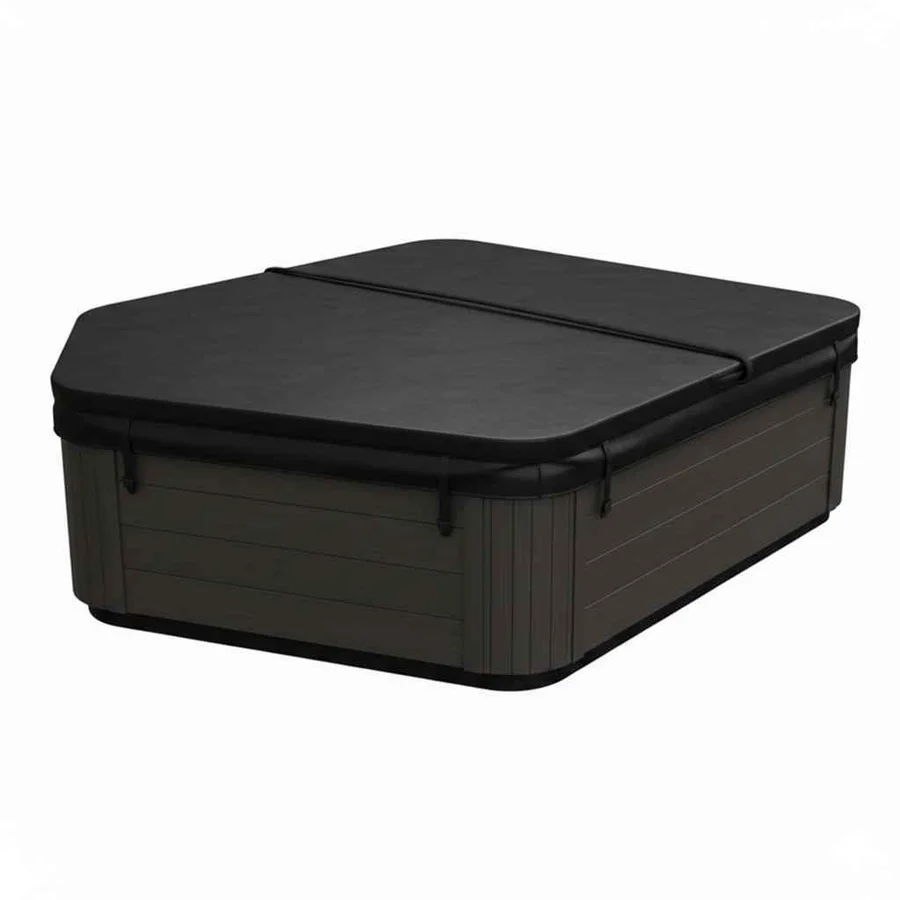
Owning a backyard spa provides the ultimate relaxation experience, but maintaining it comes with distinct challenges. One of the most common frustrations spa owners face is dealing with a worn-out, heavy cover that has absorbed moisture or lost its insulating properties. Over time, exposure to harsh UV rays, rain, snow, and chemical vapors degrades standard vinyl and foam cores. When a cover becomes waterlogged, it not only strains your back every time you try to lift it, but it also allows heat to escape leading to skyrocketing electricity bills as your heater works overtime to maintain water temperature.
Identifying the Core Pain PointsWaterlogging and Excess Weight: Low-grade vapor barriers fail, allowing condensation and rain to saturate the internal foam core. A heavy, waterlogged cover is difficult to remove and places unnecessary stress on lifters and hinges.
Thermal Heat Loss: Gaps in the seal or degraded insulation cause massive heat escape, driving up monthly energy costs.
Weather and UV Degradation: Extreme sun exposure causes vinyl to crack and dry out, while freezing winter ice can warp the structure.
What to Look for in Quality ReplacementsWhen investing in reliable protection for your investment, durability and thermal performance should be top priorities. Choosing the right materials makes all the difference in extending the lifespan of your unit. Property owners looking for high-performance options often research the best hot tub covers engineered with marine-grade vinyl, high-density foam cores, and reinforced stitching to withstand extreme climates.
Maintenance Tips to Extend LifespanClean and Condition Regularly: Wipe down the vinyl surface every few months using a mild, non-detergent soap and apply a UV-protectant conditioner to prevent cracking.
Remove Standing Water: Use a soft broom or cover pump to clear away heavy rainwater or snowmelt before it stresses the core.
Inspect the Vapor Seal: Periodically check that the protective plastic wrapping around the foam core remains intact to prevent moisture absorption.
By prioritizing proper insulation and durable construction, you can protect your spa, reduce maintenance headaches, and keep operating costs under control year-round.