 Australia
 Canada
 Cayman Islands
 Dominican Republic
 Hong Kong
 India
India
 Indonesia
 Ireland
 Jamaica
 New Zealand
 Singapore
 Thailand
 United Kingdom
 Vietnam

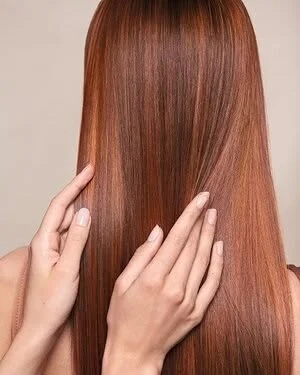
Beautiful hair color is about more than choosing a shade from a photo. The best color results come from understanding your natural hair, previous color history, hair condition, skin tone, lifestyle, maintenance preferences, and the specific result you want to achieve. Whether you are looking for reliable gray coverage, a dimensional sun-kissed effect, a dramatic blonde transformation, or help repairing an uneven color result, choosing the right professional technique makes all the difference.
At Hair Color Midtown NYC, professional hair color is approached as a personalized service rather than a one-size-fits-all appointment. Different hair goals require different techniques, and understanding the difference between Single Process Hair Color, Expert Hair Color Correction, Balayage Hair Painting, and Double Process Blonde can help you make a more informed decision before your next salon visit.
What Is Single Process Hair Color?Single Process Hair Color is one of the most versatile professional coloring services available. It generally refers to applying a single color formula to create an overall change, refresh an existing shade, blend unwanted variation, or cover gray hair.
Unlike highlighting or balayage, which selectively lighten sections of the hair, single-process color is designed to create a more uniform result.
Single Process Hair Color for Gray CoverageGray coverage is one of the most common reasons clients choose single process color.
Gray hair does not always behave exactly like pigmented hair. Its texture, porosity, density, and resistance can vary from person to person. This means achieving natural-looking gray coverage requires more than simply applying a darker shade.
A professional colorist considers how much gray is present, where it appears, your natural level, your desired color, and how you want the new growth to look as it develops.
The goal is not simply to make gray disappear.
Can Single Process Color Make Hair Blonde?This is an important question because not every blonde transformation can be accomplished with a standard single-process color service.
Color does not always behave like lightener. If the goal is a significant increase in lightness, particularly when existing artificial pigment is present, another technique may be more appropriate.
A professional colorist evaluates your starting level and previous color history before determining whether single-process color, highlighting, balayage, or a more intensive blonding technique is appropriate.
What Is Balayage Hair Painting?Balayage Hair Painting is a hand-painted highlighting technique designed to create dimension and a softer transition between the natural base and lighter pieces.
The word balayage is associated with the idea of sweeping or painting lightener onto the hair.
Unlike traditional foil highlighting, balayage can create a more customized distribution of lightness.
The result may range from extremely subtle to highly dimensional depending on the desired look.
Choosing the Right Hair Color for Your LifestyleWhen choosing between Single Process Hair Color, Balayage Hair Painting, Expert Hair Color Correction, and Double Process Blonde, consider how often you realistically want to visit the salon.
Low-Maintenance ColorClients seeking lower-maintenance color often prefer dimensional techniques that do not create a dramatic line of regrowth.
Balayage can be customized to allow the natural color to remain part of the overall design.
Regular Gray CoverageClients who want consistent gray coverage may prefer a recurring single-process service.
The schedule depends on how quickly the hair grows, how much gray is present, and how visible the new growth becomes.
High-Impact BlondeAll-over blonde can create a dramatic and beautiful look, but it generally requires more commitment.
If you love a bright, uniform blonde and are prepared for regular maintenance, double-process blonding may be worth considering.
Corrective ColorIf your current color is not what you wanted, the first step should be a consultation.
Do not assume that another round of color will automatically correct the problem.
Correction requires diagnosis.